
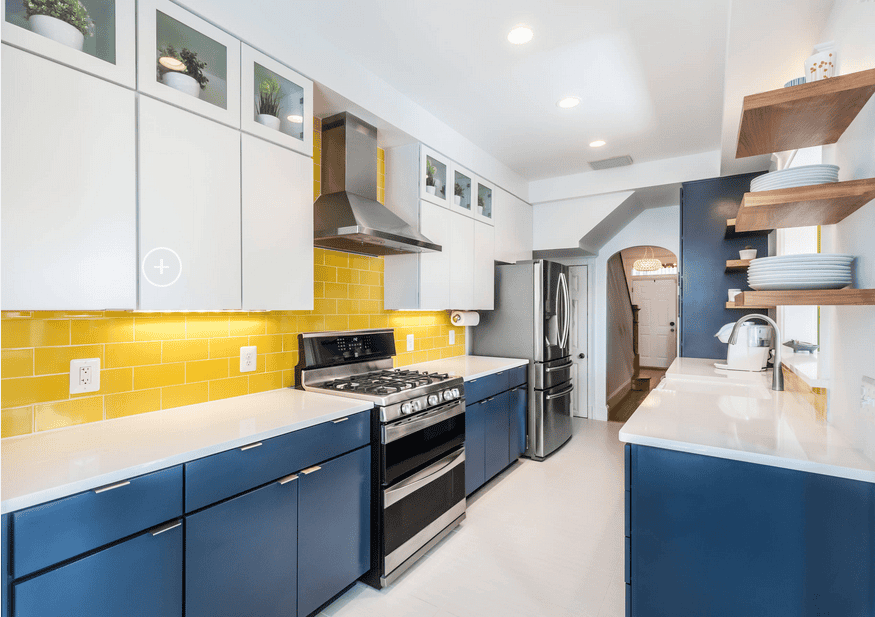
When it comes to home remodeling for accessibility, the goal is to create an environment that is safe, functional, and welcoming for everyone, regardless of physical abilities. Whether you’re planning for an aging family member, a disability, or simply want to future-proof your home, making sure your contractor understands and can meet these needs is crucial. To ensure that your home becomes a comfortable and accessible space, asking the right questions is key.
Here are the top questions you should ask your contractor about home remodeling for accessibility:
1. What Experience Do You Have with Accessibility Remodels?
Not all contractors are experienced in remodeling for accessibility, and it’s essential to choose someone who understands the specific needs and regulations. Ask about previous projects they’ve worked on that involved universal design or modifications for accessibility. They should be familiar with ADA (Americans with Disabilities Act) guidelines or other local codes for accessible design, as well as features like wide doorways, ramps, and accessible bathrooms.
2. How Will You Ensure That the Design Meets My Needs?
Accessibility requirements vary greatly depending on individual needs, so it’s vital to ensure that your contractor can cater to the specifics of your situation. Discuss your exact needs, such as the ability to maneuver a wheelchair, installation of grab bars, or non-slip surfaces. Ask the contractor how they plan to incorporate those needs into the design. They should be able to suggest modifications and ideas based on their expertise while keeping you at the forefront of the decision-making process.
3. What Modifications Can Be Made for Mobility and Safety?
Ask your contractor about the specific changes they can make to improve mobility and safety around your home. Common suggestions for improved mobility include widening doorways and hallways, lowering countertops, installing ramps, or enhancing lighting in key areas. Regarding safety, inquire about installing non-slip flooring, accessible showers, and handrails for stairs or in bathrooms.
4. What Are the Costs of Accessibility Features?
Remodeling for accessibility may involve additional costs, depending on the scope of the work and the specific features you’re incorporating. Ask your contractor for a detailed breakdown of costs, including materials, labor, and any potential extra fees. Be prepared for the possibility of higher costs in certain areas but discuss what features can provide the best value for the investment.
5. How Will You Address the Long-Term Accessibility of My Home?
One of the benefits of remodeling for accessibility is that it can help future-proof your home. Ask your contractor about features that will not only address your immediate needs but also provide lasting solutions as your circumstances change. For example, adding additional support structures in the bathroom or designing entryways with gradual slopes can ensure that your home will remain accessible in the years to come.
6. Are There Universal Design Options That Can Be Incorporated?
Universal design is a concept that aims to create spaces that are accessible to everyone, regardless of age or ability. Ask your contractor what universal design principles can be incorporated into your home. This could include elements like open floor plans, accessible kitchens, bathroom modifications, and customizable lighting. Universal design can help make your home more inclusive, even if it’s not specifically for someone with a disability.
7. How Will You Ensure Compliance with Local Accessibility Codes?
There are strict building codes in many areas that dictate the minimum standards for accessibility. These codes can cover everything from the height of countertops to the width of doorways and hallways. Ask your contractor how they ensure that your remodeling project complies with local building codes and any national guidelines. This is particularly important if you’re planning to make significant changes to your home or if you live in a community with specific regulations.
8. What Accessibility Solutions Are Available for the Bathroom?
The bathroom is one of the most important areas to consider when remodeling for accessibility. Ask your contractor about possible changes to the bathroom layout to accommodate mobility aids. This might include installing a walk-in shower, raising or lowering toilets, adding grab bars, and ensuring easy access to sinks and mirrors. The contractor should also be able to advise on materials that are both safe and practical for a more accessible bathroom.
9. Can You Help Me Make My Home Smart-Enabled for Accessibility?
In today’s world, smart home technology can significantly improve accessibility. Inquire if your contractor can integrate smart devices into your remodel, such as smart thermostats, voice-activated lighting, or automated doors. These technologies can enhance convenience, safety, and independence, especially for individuals with limited mobility or vision impairments.
10. What Is the Timeline for Completion?
Remodeling projects, especially ones with specialized accessibility features, may take longer than standard renovations. It’s important to have a clear timeline for completion. Ask your contractor how long they expect the project to take, what milestones will be reached, and if there are any potential delays due to materials or permits.
11. Do You Provide Post-Renovation Support?
After the remodel is completed, it’s essential to know if your contractor provides any follow-up support or warranty for the work done. Ask if they offer a warranty for the accessibility features install
ed, especially since these may require adjustments or maintenance over time. It’s also helpful to know if they provide assistance if you encounter any issues after the work is done.
ed, especially since these may require adjustments or maintenance over time. It’s also helpful to know if they provide assistance if you encounter any issues after the work is done.
Home remodeling for accessibility can be a significant and impactful investment in the functionality of your living space. Asking the right questions ensures that your home is safe, functional, and comfortable. By partnering with an experienced contractor who understands your specific needs, you can create a space that is not only accessible but also welcoming to everyone.
Our team is experienced and knowledgeable when it comes to designing for accessibility. We invite you to get in touch to discuss your needs and how we can address them.


