
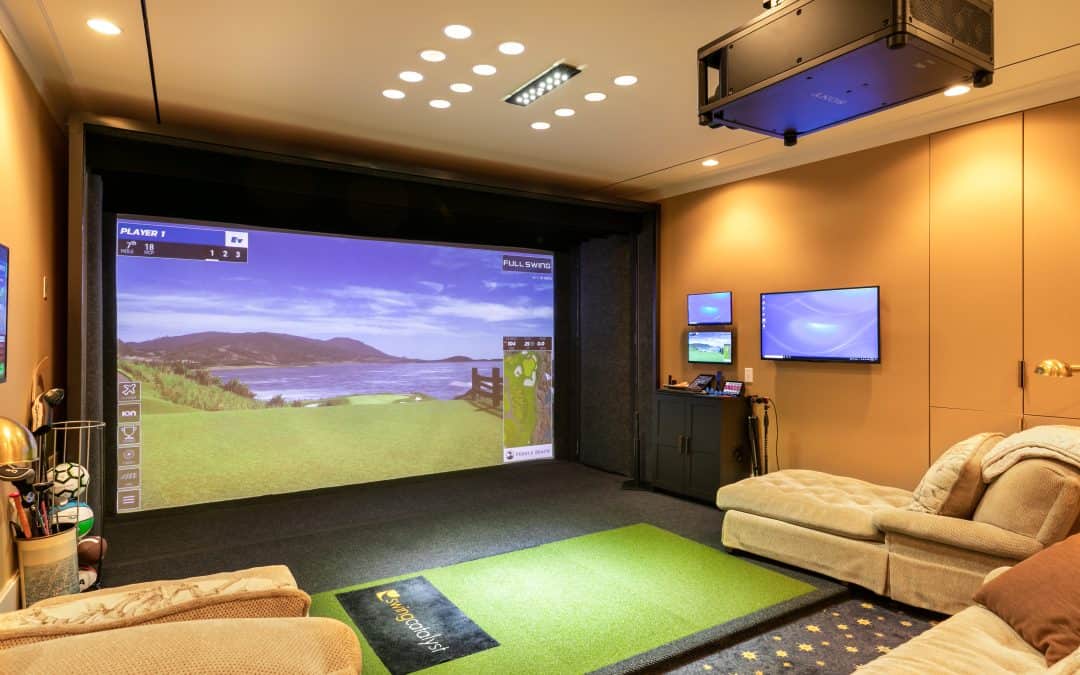
Bring the light into your basement with these bright ideas!
Brightening up dark, windowless basement spaces can transform them into inviting and functional areas. Using tips and tricks to lighten up a basement space makes it feel larger and more open, not to mention more inviting to family and friends. With the strategies below, even the darkest basement can become a vibrant and welcoming retreat.
Lighting
Understanding the layers of lighting is essential for creating a well-designed space that is both functional and aesthetically pleasing. There are three main types of lighting you can use to illuminate your spaces.
Ambient lighting serves as the foundational layer, providing overall illumination and ensuring that the room is evenly lit without harsh shadows. It sets the mood and creates a welcoming atmosphere.
Task lighting, on the other hand, focuses on specific areas where activities occur, such as reading, cooking, or working, enhancing visibility and functionality in those zones.
Accent lighting adds a decorative element, highlighting artwork, architectural features, or plants, and creating visual interest.
By thoughtfully combining these three layers, one can achieve a balanced and versatile lighting design that enhances both the utility and beauty of any space. Let’s explore these types of lighting, as well as additional tips and tricks, in further detail.
Ambient Lighting
Using ambient lighting with recessed fixtures is an effective way to create a warm and inviting atmosphere in any space. Recessed lighting, installed flush with the ceiling, provides a sleek and unobtrusive source of illumination that helps eliminate harsh shadows and enhances overall visibility. By strategically placing these fixtures throughout a room, you can achieve a soft, diffused light that fills the space evenly, making it feel more open and spacious.
Dimming options can further enhance the versatility of recessed lights, allowing you to adjust the brightness according to different activities or moods. Pairing recessed fixtures with other lighting layers, such as task and accent lighting, ensures a balanced and cohesive design, making your environment both functional and aesthetically pleasing.
Reflective Surfaces
Boosting brightness in a space can be effectively achieved by incorporating reflective surfaces, such as mirrors, glossy furniture, or metallic accents. These surfaces bounce light around the room, enhancing overall illumination and creating a sense of openness.
Strategically placing mirrors opposite windows or light sources can maximize natural light, while high-gloss finishes on walls or cabinetry can add a sophisticated touch. By utilizing reflective elements, you not only increase brightness but also add depth and visual interest to your interiors.
Task Lighting
Incorporating layered task lighting creates functional and adaptable spaces tailored to specific activities. By combining different types of task lighting, such as adjustable desk lamps, pendant lights over work areas, and under-cabinet lighting in kitchens, you can ensure optimal visibility for various tasks.
This layered approach allows you to customize the intensity and focus of light, enhancing productivity while also adding aesthetic appeal. Integrating dimmers can provide flexibility, allowing you to adjust brightness levels according to your needs and preferences throughout the day.
Accent Lighting
Using accent lighting is a brilliant way to add warmth and style to any space. By strategically placing fixtures like wall sconces, spotlights, or LED strips to highlight artwork, architectural features, or textured walls, you create visual interest and draw attention to key elements of your décor.
This focused illumination not only enhances the ambiance but also adds depth and character, making a room feel more inviting. Warm-toned bulbs can further amplify this effect, creating a cozy atmosphere that encourages relaxation and enhances the overall aesthetic of your home.
Smart Lighting
Adding smart lighting to a room brings convenience and versatility to your lighting design. With the ability to control brightness, color, and scheduling through mobile apps or voice commands, smart lights can easily adapt to different moods and activities.
For instance, you can set warm, dimmed lights for a cozy evening or bright, energizing hues for a productive work session. Features like automation and integration with smart home systems enhance efficiency and allow for seamless transitions throughout your day, making your space not only more functional but also more enjoyable.
Bright Decor
Decor plays an important role in basements because it can serve to add vibrancy and a sense of brightness to an otherwise dark space. Decor that can brighten a windowless basement includes light-colored furnishings and accessories that reflect and amplify light. Incorporating bright textiles, such as cushions, rugs, and curtains in cheerful hues can lift the overall mood of the space. Decorative elements like wall art featuring vibrant colors or nature scenes can infuse energy into the environment, while plants—real or faux—can bring a touch of greenery that adds life and warmth. Together, these design choices can transform a dark basement into a lively and inviting area.
Hopefully, these tips and tricks have sparked some ideas for your own basement design. Lighting can make all the difference when transforming a dark, windowless basement into a bright, inviting space. Contact FA Design Build to plan your basement lighting project.


